
 summary:
On January 3, 2026, US President Trump announced that the US military had captured Venezue...
summary:
On January 3, 2026, US President Trump announced that the US military had captured Venezue... 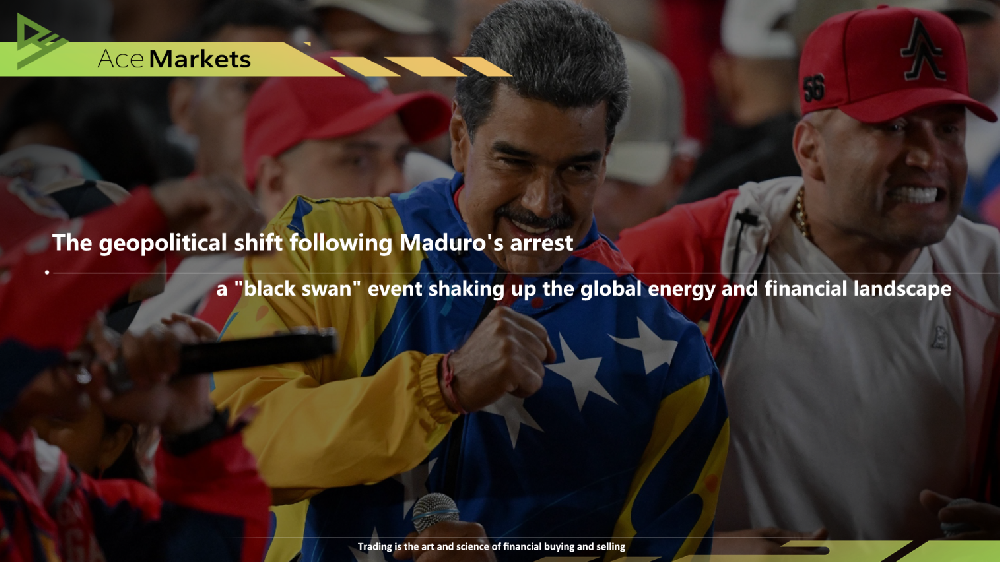
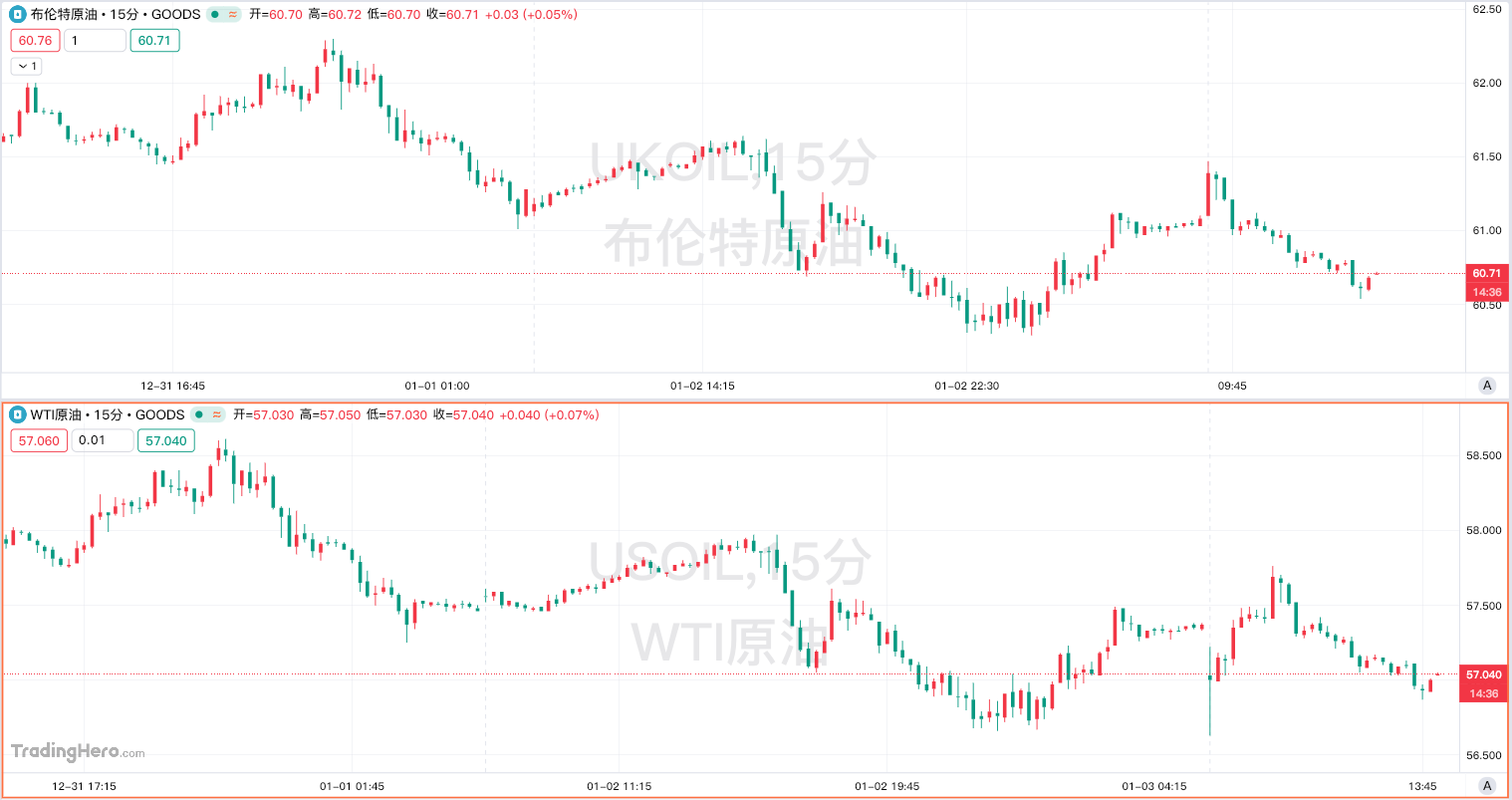
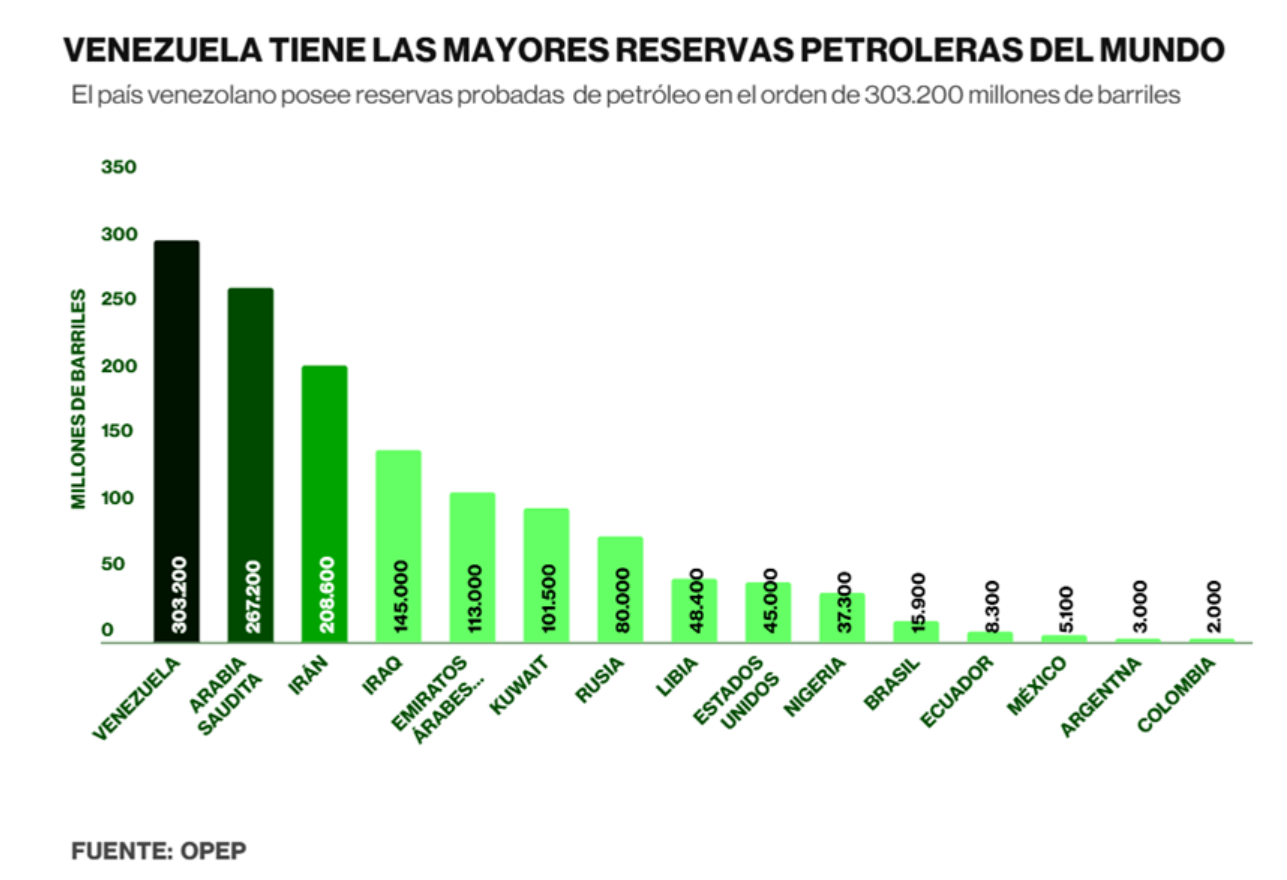
On January 3, 2026, US President Trump announced that the US military had captured Venezuelan President Maduro and his wife. This sudden geopolitical event not only disrupted the political balance in the Western Hemisphere but also severely impacted global financial markets. As the country with the world's largest proven oil reserves, Venezuela's sudden political upheaval directly impacted the energy industry chain, with its chain reaction spreading to financial sectors such as sovereign credit, cross-border investment, and regional economic cooperation, thus beginning to outline the restructuring of the global energy finance landscape. Venezuela possesses 17% of the world's oil reserves, and although its production accounts for only 1% of the global total due to sanctions and insufficient investment, its reserve advantage makes it a key variable. Following the event, international oil prices rose significantly, with New York and Brent crude oil futures rising by more than 3% in the short term, and risk aversion driving up energy commodities.
Rising risk premiums and restructuring of long-term supply patterns
In the short term, the core driver of oil price fluctuations is the rising risk premium caused by supply uncertainty. The US military operation resulted in a power outage and damage to key facilities in Caracas, making a short-term disruption to oil production and exports inevitable. Zhou Zhiwei, a researcher at the Institute of Latin American Studies of the Chinese Academy of Social Sciences, pointed out that although Venezuela's crude oil production is limited, its reserve advantage still raises concerns about the stability of global energy supply, contributing to a short-term rise in oil prices. The US's statement maintaining sanctions while planning "deep involvement" in Venezuela's oil sector and investing billions of dollars in infrastructure repair further strengthens expectations of a restructuring of the supply landscape.
In the long run, the restructuring of Venezuela's oil industry will reshape the global competitive landscape for heavy crude oil. Venezuelan crude oil is primarily high-sulfur and heavy, well-suited to the capacity of US Gulf Coast refineries. Previous sanctions forced US refiners to switch to Mexican and Colombian heavy crude oil as substitutes, resulting in high costs. If the US eases export restrictions, US oil companies will benefit first, with Gulf Coast refineries gaining a cost advantage and altering the global flow of heavy crude oil trade. Conversely, Canada's daily export share of 3.3 million barrels of heavy oil sands crude oil to the US will be eroded, limiting the upside potential of heavy crude oil price differentials and weakening the long-term profitability resilience of Canadian companies.
Reshaping the landscape from energy trade to cross-border investment
Political instability is spreading globally through supply chain finance mechanisms. As an oil-export-oriented economy, Venezuela's disrupted trade order directly threatens the financial security of its upstream and downstream partners. Port disruptions have increased the risk of default on crude oil export contracts, prompting international letter of credit agencies to re-examine relevant documents and raising the cost of cross-border energy trade financing.
The impact on cross-border investment is more profound. A power vacuum has emerged within Venezuela, the vice-presidential takeover lacks military support, the opposition is fragmented, foreign investor confidence has collapsed, and energy infrastructure and mining investment projects in Venezuela have been suspended. China's direct investment stock in Venezuela was $588 million (end of 2021), and the implementation of the China-Venezuela cooperation agreement remains uncertain. The US plan to try Maduro in New York exacerbates the confrontation, and the risk premium for international investment in Venezuela will remain high.
The regional economic cooperation system has been damaged. As a core member of the Latin American economic system and the Caribbean oil plan, Venezuela's political instability may lead to the stagnation of regional cooperation mechanisms. Trade between Venezuela and neighboring countries such as Brazil and Argentina has contracted, Brazilian exports to Venezuela face payment risks, and some cross-border settlements have been suspended. US actions may trigger political polarization in Latin America, and the rise of the right wing could hinder the process of regional integration.
Short-term risk aversion and long-term order reconstruction
Following the event, risk aversion intensified in global capital markets, with traditional safe-haven assets such as gold and the US dollar rising, and emerging market currencies depreciating. Latin American stock markets led the decline, with Brazil's IBOVESPA and Argentina's MERV indices falling by more than 2% on the day, and the energy and agricultural sectors under pressure. International capital accelerated its withdrawal from emerging Latin American markets and flowed into US dollar assets and bonds of developed economies, pushing up Latin American government bond yields and financing costs.
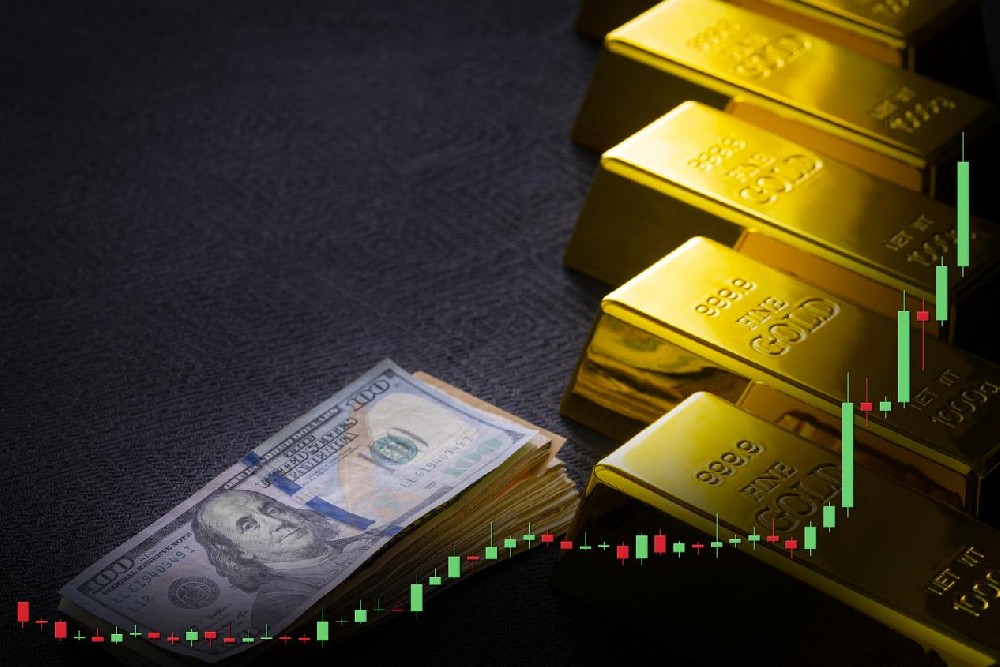
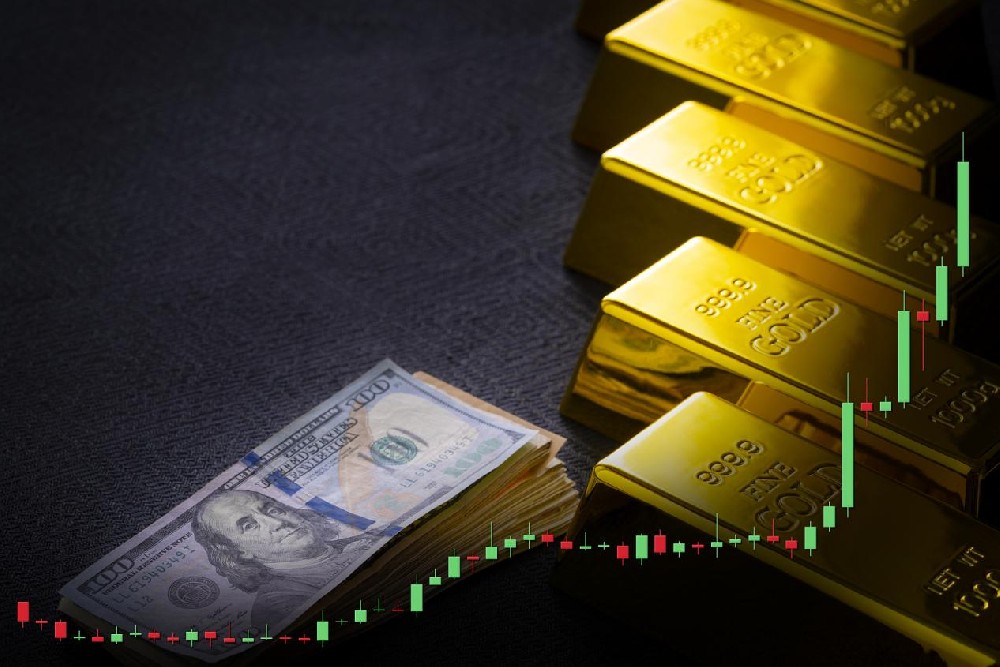
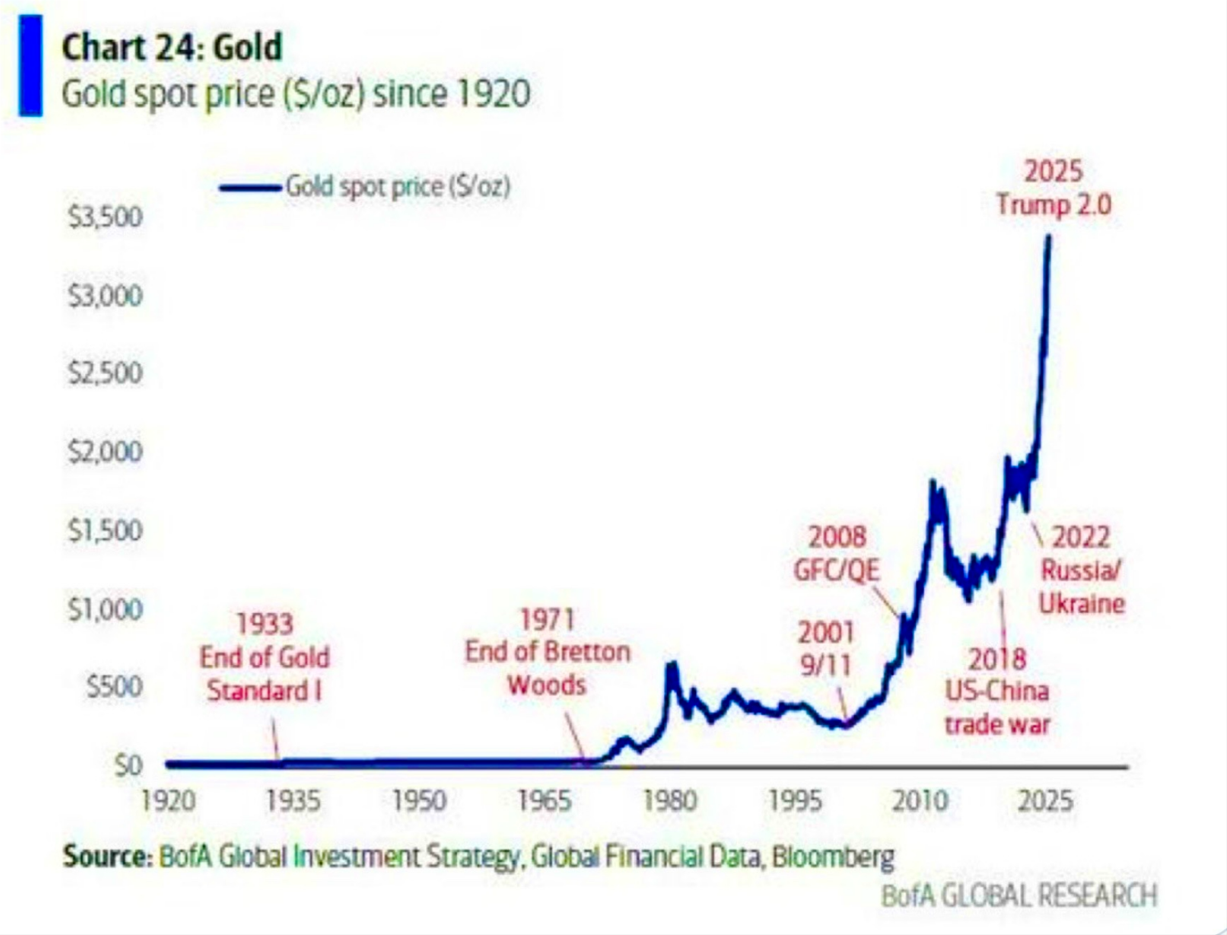
Gold has become a core beneficiary of safe-haven assets. International gold prices entered a bull market in 2025, with a year-to-date increase of over 70%, approaching $4,600/ounce by the end of the year; in the first trading session after the event, the price rose 1.8%, nearing $4,700/ounce. The core logic is: continued increases in global central bank holdings (China has increased its holdings for 13 consecutive months, and global central banks have made net purchases of over 1,000 tons over three years, raising the proportion of gold reserves to 20%); the Fed's rate-cutting cycle (a cumulative rate cut of 75 basis points since September 2025, with two more cuts expected in 2026) lowering holding costs, coupled with geopolitical risks. Institutions predict that if the situation worsens, gold prices may reach $6,000/ounce in 2026.
The safe-haven combination of the US dollar and US Treasuries is diverging. The US dollar index rose 0.5% in the short term, benefiting from capital outflows from Latin America, but its medium- to long-term strength is weak (it is expected to fall by nearly 10% by 2025, the worst in eight years, and the proportion of US dollar reserves will drop to 58%). In the short term, US Treasuries have become a safe haven for liquidity, with the 10-year yield falling by 3 basis points and the 3-month yield falling even more significantly. However, the unsustainability of US debt expansion will suppress its allocation value in the long term.
The long-term game of reshaping the energy finance landscape
Historical experience shows that geopolitical events have limited short-term safe-haven effects, and funds tend to flow back to risky assets. However, with the Fed's interest rate cuts, weakening dollar credibility, and the trend of de-dollarization, gold's medium- to long-term allocation value is highlighted, and it is expected to rise in 2026, shifting from a cyclical hedging tool to a long-term core asset. The US arrest of a foreign head of state undermines the foundation of sovereign credit, potentially increasing cross-border financing costs in emerging markets and shrinking financing channels for countries with differing stances. Maduro's arrest is a strategic move by the US to control Venezuelan oil and consolidate its energy hegemony, which will trigger short-term risks such as oil price volatility and capital outflows; in the long term, it will accelerate the restructuring of the energy finance landscape, and emerging markets will strengthen diversified cooperation. This event highlights the core position of geopolitical risks, and investors need to reassess the risks of the energy industry chain and emerging market assets; at the same time, curbing unilateralism and safeguarding sovereign rights have become important issues in global financial governance, and their chain reactions have not yet fully manifested.