

 summary:
As a professional institution specializing in global macroeconomics and cross-asset resear...
summary:
As a professional institution specializing in global macroeconomics and cross-asset resear... 
As a professional institution specializing in global macroeconomics and cross-asset research, ACE Markets continuously tracks the Federal Reserve's policy direction, global liquidity cycles, and valuation logic in the technology sector. Recently, Kevin Warsh has become a leading candidate for Federal Reserve Chairman due to his "interest rate cuts + balance sheet reduction" strategy. His policy framework is highly intertwined with the AI narrative, sparking intense debate in the market. Based on its rigorous research system, mature risk control models, and long-term practical experience, ACE Markets clearly warns that this strategy has significant logical flaws. Once implemented, it could easily resonate dangerously with an AI asset bubble, causing a chain reaction in global markets.
Warsh's core policy design is a hedging strategy of "loose on one hand and tight on the other": by significantly reducing the Federal Reserve's $6.6 trillion balance sheet, he tightens long-term financial conditions to curb inflation, equivalent to a 50 basis point interest rate hike; simultaneously, he pushes for a reduction in the federal funds rate to offset the pressure of balance sheet reduction. Its key support is the grand narrative that AI will bring a productivity revolution and become a long-term deflationary force , thus justifying long-term low interest rates and shifting the policy debate from "whether current inflation is controllable" to "embracing future productivity." Essentially, this uses a long-term technological vision to serve short-term policy objectives.
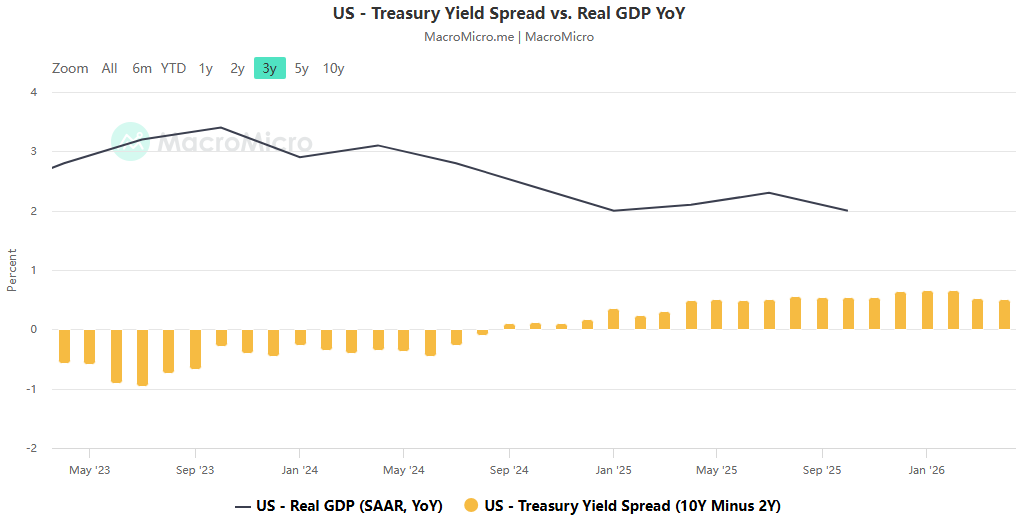
However, the ACE Markets research team, combining historical and current data, discovered that this strategy suffers from a theoretical and practical gap that is difficult to bridge.
First, there is a significant time mismatch in the AI narrative, with history serving as a cautionary tale . Currently, AI only offers partial efficiency improvements in areas such as content generation, customer service, and code assistance. Its impact on the total factor productivity of the real economy, including manufacturing, construction, and logistics, still requires a long period of supply chain adaptation and commercial validation. Just as during the dot-com bubble of 2000, the market hyped a "productivity revolution," but the widespread adoption of fiber optics, e-commerce infrastructure, and the maturity of cloud computing lagged behind by several years. Leading companies like Amazon and Cisco saw their valuations plummet by over 80% during the bubble, and many "Internet+" companies went bankrupt due to a lack of real profitability. Currently, AI also faces bottlenecks in its implementation: the aging US power grid and high electricity costs limit the establishment of large-scale computing centers, and the "instant productivity explosion" lacks realistic support.
Secondly, policies based on expectations rather than data are prone to triggering a crisis of confidence and market chaos . If the Federal Reserve cuts interest rates significantly ahead of schedule, and AI productivity increases fall short of expectations, it will directly lead to a rebound in inflation and damage to policy credibility. This scenario has played out many times in history: In the 1970s, the Federal Reserve relied too heavily on the optimistic expectation that "inflation will fall," maintaining loose monetary policy for a long time, ultimately triggering a stagflation cycle and causing market turmoil for more than a decade; in 2021, the Federal Reserve misjudged the "temporary nature of inflation," delaying policy tightening and subsequently being forced to raise interest rates at the fastest pace in nearly 40 years , directly triggering a collective plunge in US tech stocks in 2022, with the Nasdaq index falling by more than 33% throughout the year . History has repeatedly proven that policies divorced from real-world data will ultimately come at a price.
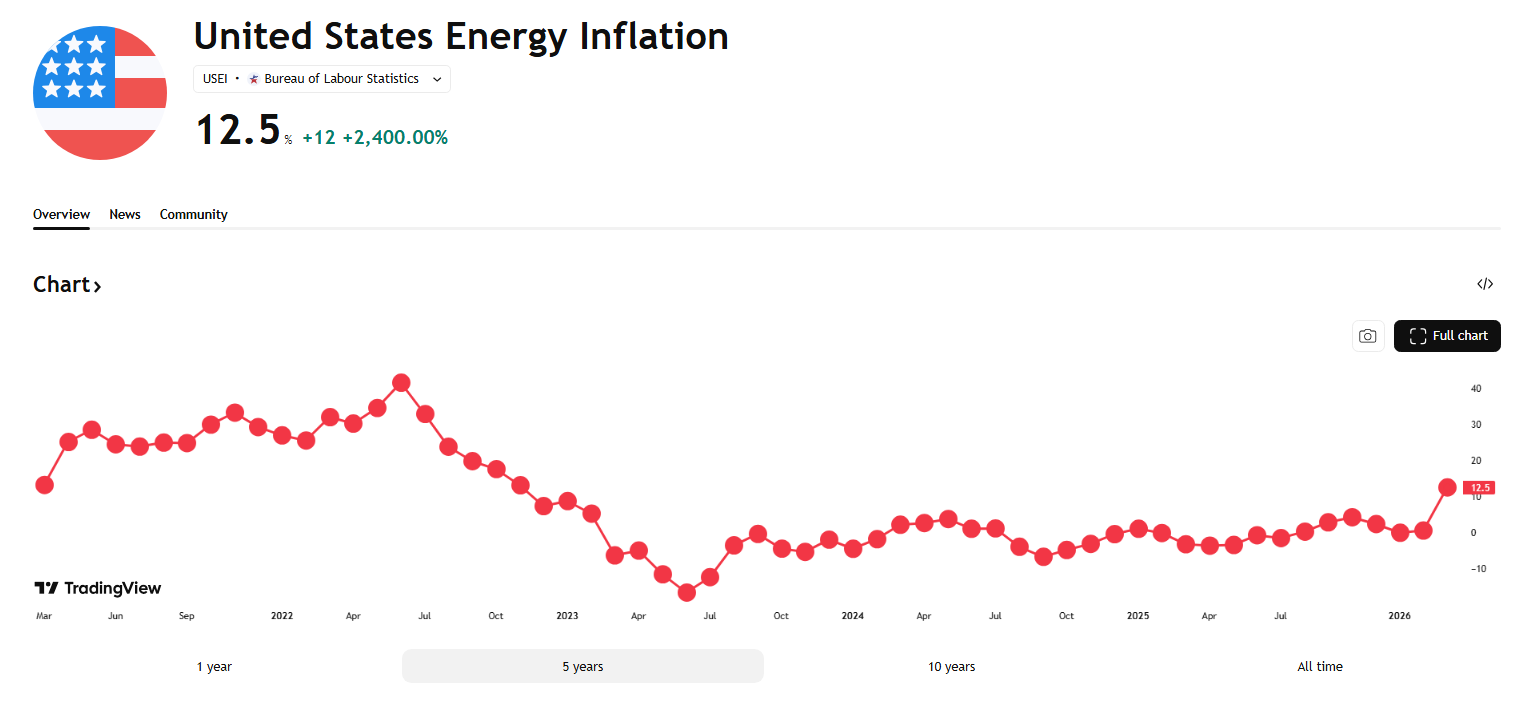
What warrants even more attention is that the Warsh strategy deeply links monetary policy with the AI bubble. If policies become disordered, it will create a double whammy of liquidity and psychological impact , triggering a chain of risks.
Liquidity collapse : Resurgence of inflation will force the Federal Reserve to urgently restart interest rate hikes, leading to a rapid tightening of global liquidity. During the 2022 interest rate hike cycle, financial institutions such as Silicon Valley Bank , which relied on a low-interest-rate environment, were the first to collapse. Global AI startup funding was halved compared to the previous period, and many unprofitable companies went bankrupt due to cash flow problems. If the current policy shifts, AI companies that rely on long-term valuations will be the first to be affected.
A double whammy of narrative and valuation : After the dot-com bubble burst in 2000, the market shifted from "believing all stories" to "only looking at real cash flow," and star companies like Webvan and WebMD , which relied on narratives, quickly delisted. Currently, the AI sector also has a large number of projects lacking commercial viability and relying solely on conceptual financing. Once the "AI deflationary savior" narrative is disproven, demand will quickly dry up, and the industry's hype will completely dissipate.
Structural risks will be exposed in a concentrated manner : After the bubble bursts, issues such as high energy consumption of AI, data security, employment impact, and technological monopoly will be amplified, further suppressing industry valuations and expansion pace.
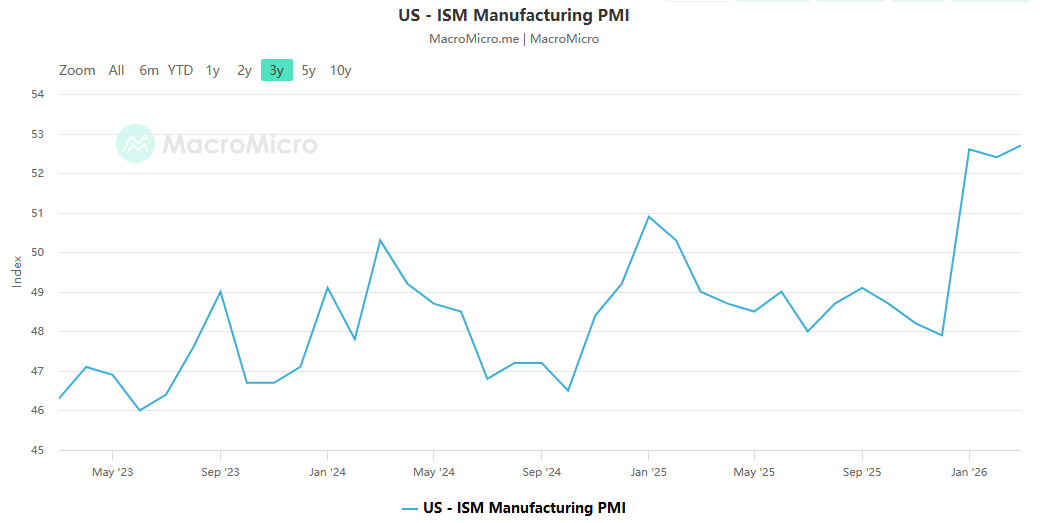
ACE Markets consistently adheres to a data-driven, risk-control-first, and long-term investment research philosophy. We believe that technological revolution is a long-term theme, but it should never become the core basis for short-term monetary policy. Forcibly linking long-term technological visions with short-term macroeconomic policies will inevitably lead to a sharp market correction when actual progress lags behind narrative inflation. Current AI asset prices already highly reflect optimistic expectations, and the Warsh strategy further amplifies the risks of liquidity and narrative resonance.
For global investors, this policy trend serves as a clear risk warning: when allocating to macro and technology assets, investors should avoid speculative narratives and focus on verifiable earnings, robust cash flow, and manageable risk exposure. ACE Markets will continue to leverage its professional research capabilities, compliant operating system, and efficient execution advantages to accurately track policy evolution, deeply analyze market risks, and uncover high-certainty opportunities, helping clients achieve long-term, stable asset appreciation in the complex and volatile global market.