

 summary:
ACE Markets macro research team, combining the latest institutional assessments, inflation...
summary:
ACE Markets macro research team, combining the latest institutional assessments, inflation... 
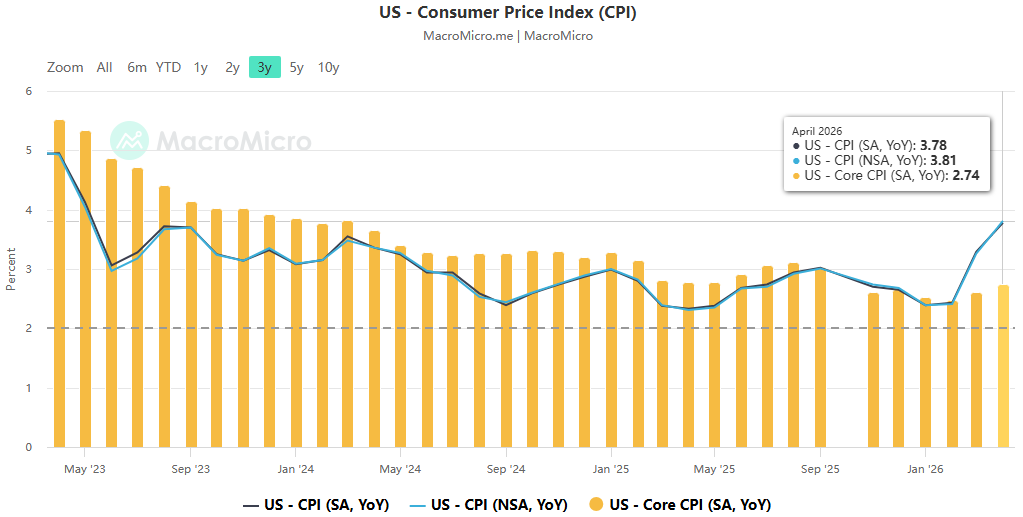
ACE Markets' macro research team, combining the latest institutional assessments, inflation data, and in-depth analysis of geopolitical dynamics, believes that the global market is currently caught in a core phase of a two-way game between expectations of Federal Reserve policy: on one hand, Citigroup and Mitsubishi UFJ are defying the trend and sticking to their predictions of a rate cut this year, anchoring their stance on the underlying logic of a "strong on the outside, weak on the inside" US economy and employment; on the other hand, April CPI inflation accelerated, Goldman Sachs is bullish on the dollar, traders have rekindled their bets on rate hikes, and the energy impact of the Iranian conflict continues to escalate. The incoming Federal Reserve Chairman, Warsh, will inject key variables into an already narrow policy window. ACE Markets consistently uses cross-market data verification and long-term policy tracking as its core methodology to continuously help the market penetrate divergences and capture the true pricing drivers.
The consensus on interest rate cuts against the trend: Citigroup and Mitsubishi UFJ's logic and ACE Markets' forward-looking verification.
Following the outbreak of the conflict in Iran, global market interest rate expectations turned hawkish across the board, with expectations for rate cuts in 2026 virtually eliminated. Federal Reserve officials collectively tightened their stance, and the level of dissent at FOMC meetings reached a new high since 1992. Major institutions generally canceled or postponed their rate cut predictions. Against this backdrop, Citigroup and Mitsubishi UFJ became among the few leading institutions that maintained their stance on rate cuts this year. Their core judgment is highly consistent with ACE Markets' previous consistent warning of "hidden deterioration in the US labor market."
ACE Markets endorses the key arguments of both institutions and cross-validates them using its own data system:
Employment stability is extremely fragile : the US employment situation is showing an abnormal stability of "weak supply and demand," which is not the core driver of inflation; although the official unemployment rate remains stable at 4.3%, the actual unemployment rate has been quietly rising and the labor force participation rate has continued to decline. If the unemployment rate exceeds the key threshold of 4.5%, employment pressure will directly force a policy shift.
The economic growth is bloated : Of the current US economic growth of about 2%, nearly half is driven by AI-related investments. If technology investment falls short of expectations, the risk of economic downturn will be quickly exposed.
Policy interest rates are already in a tight range : the current high-interest-rate environment continues to squeeze interest rate-sensitive sectors such as small and medium-sized enterprises and real estate, and signs of pressure on the labor market are gradually emerging. Mitsubishi UFJ has lowered its expectation for an interest rate cut this year from 75 basis points to 50 basis points, while Citigroup maintains its 75 basis point forecast, both pointing to an increasing need for monetary policy easing.
Hawkish pricing intensifies: Goldman Sachs bullish on the dollar, CPI data ignites bets on rate hikes.
In stark contrast to the rate cut predictions of a few institutions, hawkish pricing has become the current market mainstream in the short term. ACE Markets, through multi-dimensional tracking of interest rate derivatives, exchange rates, and inflation data, clearly reconstructs the logic behind this trend:
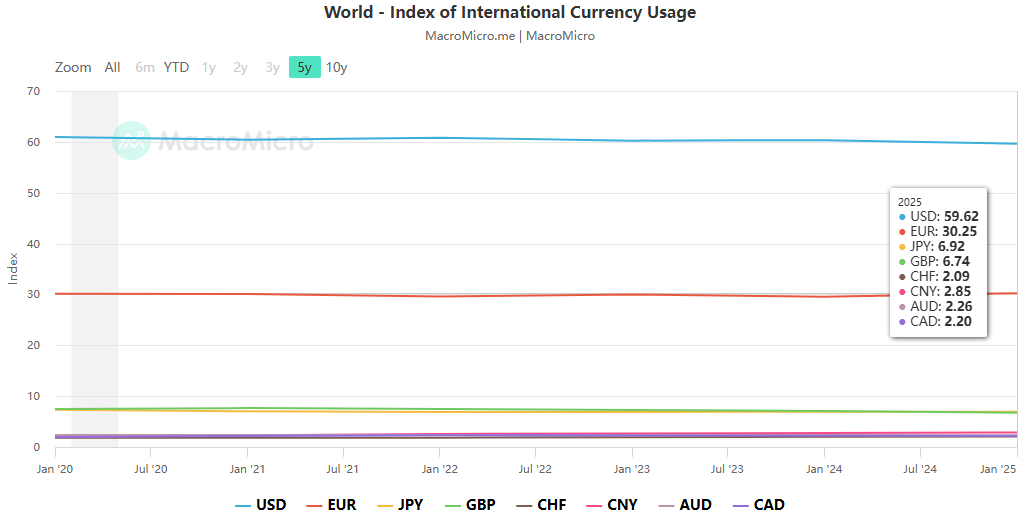
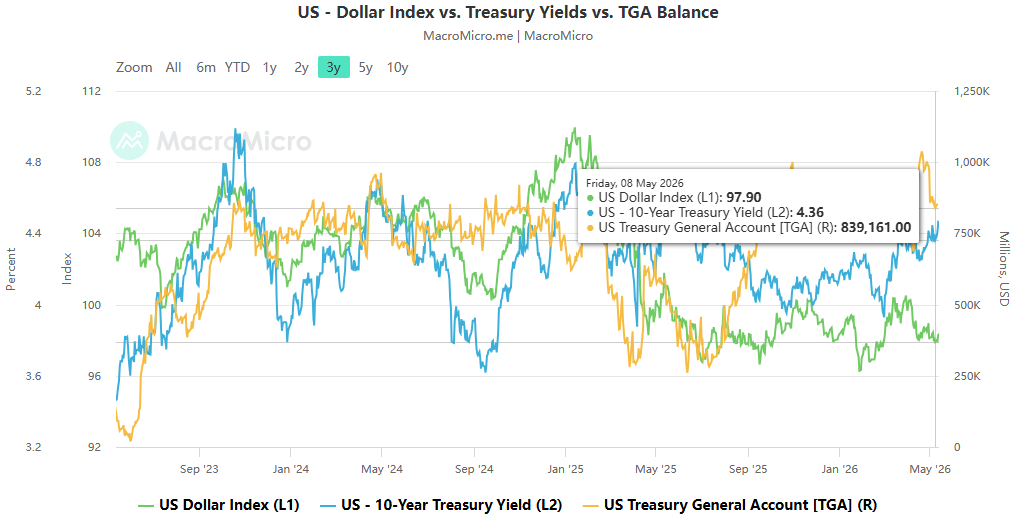
Goldman Sachs is explicitly bullish on the US dollar , arguing that the energy shock coupled with the relative resilience of the US economy will support the Federal Reserve in maintaining a "higher and longer" interest rate environment, driving the dollar higher across the G10 currencies. Goldman Sachs recommends going long on the dollar against the Swedish krona, euro, and British pound. ACE Markets adds that the US, as the world's largest oil producer, benefits from both the energy dividend from high oil prices and the inflow of global safe-haven funds, an advantage particularly pronounced in the current geopolitical climate.
April CPI data solidifies interest rate hike expectations : Accelerated inflation has completely reversed the market's previous assumption of interest rate cuts, and traders are quickly betting heavily on rate hikes. Interest rate swap pricing shows a significant increase in the probability of a 25 basis point rate hike before the middle of next year, with the probability of a rate hike in April next year rising to about 85%. US Treasury yields continue to be under pressure, and the SOFR options market has seen a large number of positions hedging against the risk of interest rate hikes.
Federal Reserve officials have signaled a broad tightening : Several Fed officials have refuted market expectations of interest rate cuts, with Chicago Fed President Goolsby stating that inflationary pressures are widespread and the economy may be at risk of overheating, further reinforcing the hawkish signals in the market.
Key variable: Warsh's appointment injects uncertainty into the narrow window for interest rate cuts.
With Warsh set to officially assume the presidency of the Federal Reserve, his policy stance will be a key variable influencing the direction of monetary policy in the second half of 2026. ACE Markets has conducted an in-depth analysis, combining Warsh's past policy proposals with the current macroeconomic environment:
Warsh has consistently favored loose monetary policy and is expected to try to push the Federal Reserve toward a more accommodative stance at the June and July FOMC meetings and the Jackson Hole symposium.
However, given the current high inflation and the cautious stance of most FOMC colleagues, the window for interest rate cuts is extremely narrow, and there is a high degree of uncertainty regarding the implementation of the policy.
Its proposed unique policy framework of "balance sheet reduction and interest rate cuts" may break the Fed's traditional policy mix model and further exacerbate the volatility of market expectations.
ACE Markets Overall Outlook: The Game Continues, Focus on Three Core Clues
ACE Markets' macro team believes that global market pricing will revolve around three core themes over the next 3-6 months:
The persistence of energy shocks directly determines the trend of inflation and the upper limit of interest rate policy, and is the most critical factor influencing the balance of the probability of interest rate hikes/cuts.
The true strength of US employment and the economy : whether the assessment of "outwardly strong but inwardly weak" has come true will be the core trigger for the Fed's policy shift.
The effectiveness of Warsh's policy proposals : The key is to observe whether they can leverage the consensus within the FOMC and open up substantial room for interest rate cuts.
In the short term, the US dollar is likely to remain strong due to the high-interest-rate environment and global risk aversion, and there is still room for further pricing in interest rate hike expectations. In the medium term, if signs of weak US economic employment gradually materialize, coupled with the push for easing policies by Warsh, interest rate cut expectations may return to the mainstream market.