
 summary:
In global asset allocation, precious metals such as gold and silver have always held an im...
summary:
In global asset allocation, precious metals such as gold and silver have always held an im... In global asset allocation, precious metals such as gold and silver have always held an important position due to their safe-haven properties and inflation-hedging characteristics. For investors with basic trading experience, a deep understanding of the trading mechanisms of international precious metals is a crucial step in improving decision-making quality and optimizing risk management. This article will systematically outline the core knowledge of international precious metals trading from four dimensions: market characteristics, trading rules, cost structure, and risk control logic. It will also provide a reference for intermediate investors by combining the typical functions of compliant platforms.

I. The Operating Mechanism of the International Precious Metals Market
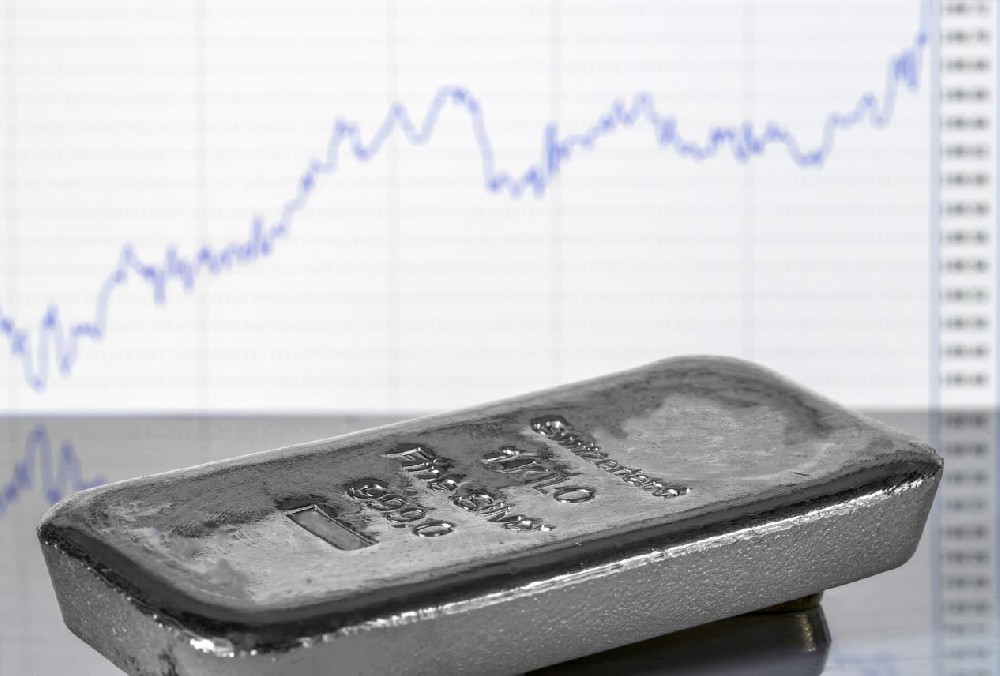
The international precious metals market is primarily based on over-the-counter (OTC) trading, lacking a unified central exchange. Prices are jointly determined by supply and demand in major global markets. The London Bullion Market Association (LBMA) spot pricing, the COMEX futures price, and the Shanghai Gold Exchange's RMB gold price form a "triangular anchor" for global prices. For investors participating in trading through Contracts for Difference (CFDs), what they are actually trading is the "right to price fluctuations of the underlying asset," not physical ownership—meaning investors can profit by going long (bullish) or short (bearish) without incurring the costs of physical delivery, storage, and insurance.
It's worth noting that precious metal prices are driven by multiple factors: the strength of the US dollar index (which is typically negatively correlated with gold prices), global geopolitical risks (risk aversion drives up gold prices), inflation data from major economies (declining real interest rates benefit gold), and gold purchasing behavior by central banks. Intermediate investors should build a "macroeconomic factor tracking list" rather than relying solely on technical analysis.
II. Analysis of Core Transaction Mechanisms
1. Leverage and Margin: A Double-Edged Sword for Amplifying Efficiency
International precious metals CFD trading commonly employs leverage, allowing investors to control contracts of greater value with a small margin. For example, if a platform offers 1:100 leverage, it means that investors only need to pay 1% of the contract value as margin to participate in a full trade. This mechanism significantly improves capital utilization, but it also amplifies profit and loss margins—a 1% price fluctuation could result in a 100% profit or loss on the corresponding margin. Therefore, the choice of leverage ratio must match one's risk tolerance: trend traders typically choose medium to low leverage of 1:20 to 1:50 to mitigate short-term volatility; short-term traders may use higher leverage, but must adhere to strict stop-loss discipline.
2. Spreads and overnight interest: Key components of hidden costs
Transaction costs directly impact long-term returns, with spreads being a core expense. The spread is the difference between the buying and selling price. On mainstream platforms, gold spreads are typically between 0.3 and 0.5 points (1 point = $0.1/ounce), while silver spreads are slightly higher. It's important to note that some platforms widen spreads during periods of high volatility (such as the release of non-farm payroll data or central bank decisions); investors should confirm the platform's "spread stability" statement beforehand.
Overnight interest (Swap) is the cost or gain of holding a position overnight. Since CFD trading does not involve physical delivery, financing costs are calculated daily. Taking gold as an example, if an investor goes long, they need to pay the difference between the "selling price interest rate" and the "buying price interest rate"; if they go short, they may receive interest (depending on the interest rate differential between the two currencies). Some platforms set up "two-way interest calculation" for major precious metals, allowing investors to predict costs before opening a position using the platform's "overnight interest rate table"—this is especially important for swing traders with holding periods exceeding 3 days.
3. Order Types and Execution Logic
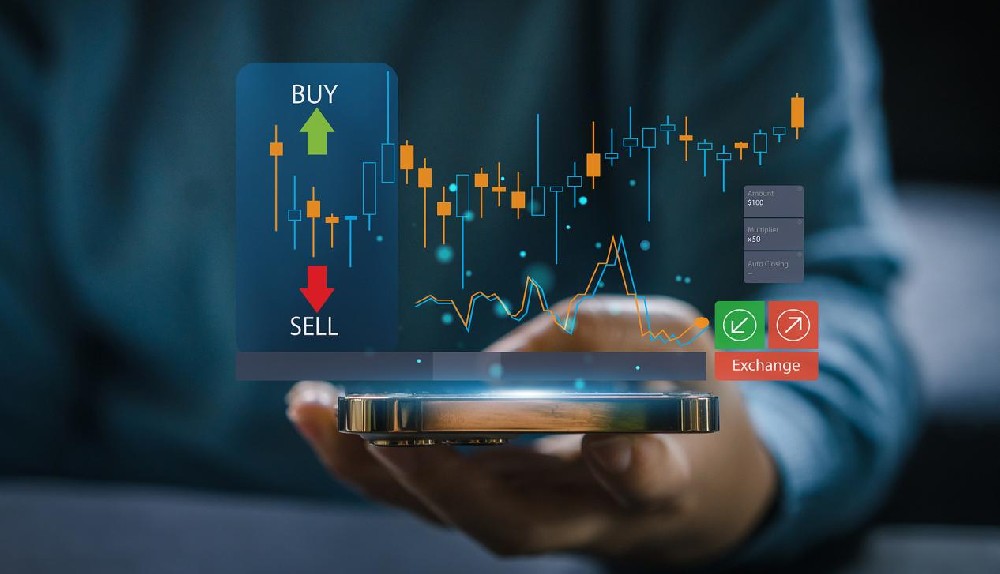
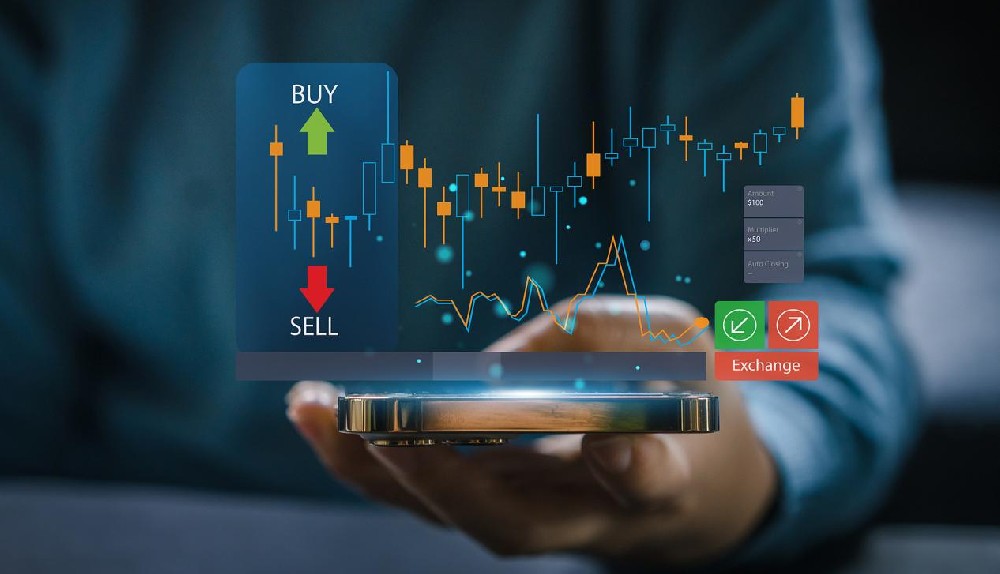
Professional platforms typically support multiple order types to meet different strategy needs: market orders (execute instantly at the current price), limit orders (execute at a set target price), stop-loss orders (close positions when triggered at the stop-loss price), and trailing stop orders (dynamically adjust the stop-loss level as the price moves in a favorable direction). For example, when the gold price breaks through the resistance level of $1950/ounce, investors can place a "buy limit order" at $1948/ounce, waiting for a pullback to enter the market; at the same time, they can set a "trailing stop order," which automatically moves the stop-loss level up as the price rises, locking in profits.

III. How Platform Functions Empower Trading Decisions
Compliant precious metals trading platforms utilize tools designed to help investors execute strategies more efficiently. ACE Markets, for example, embodies this "professional empowerment" approach in its feature design:
Multi-terminal collaboration : Supports MT4/MT5 professional terminals, web pages and mobile apps, with real-time data synchronization, making it convenient for investors to monitor their positions in different scenarios.
Market depth and review tools : Provides detailed order transaction records, a position cost calculator, and separate displays of spreads, overnight interest, and margin requirements for each transaction, making it easy for investors to review and analyze cost structures.
Copy trading and strategy reference : The built-in social copy trading module allows investors to filter signal sources that meet historical drawdown, win rate, and annualized return targets, and refer to the precious metals trading logic of mature traders (Note: Copy trading is for strategy reference only and does not constitute investment advice).
Fund security guarantee : We implement a mechanism for the segregation of customer funds, separating transaction funds from platform operating funds to reduce the risk of fund misappropriation.
IV. Key Risk Control Points for Intermediate Investors
Position management : Avoid excessive holdings in a single commodity. It is recommended that precious metals account for no more than 20% of the investment portfolio. Use micro lots (such as 0.01 lots) to build positions in batches to reduce the impact of single decision-making errors.
Stop-loss discipline : A stop-loss level must be preset for each trade, and the stop-loss amount should not exceed 2% of the account's net value (for example, for a $10,000 account, the stop-loss for a single trade should not exceed $200).
Information Verification : When choosing a platform, you need to verify its regulatory qualifications (such as ACE Markets holding financial regulatory licenses in Comoros and other places) and the transparency of its fee disclosure (all spreads and overnight interest rules must be clearly displayed on the official website) to avoid being misled by marketing gimmicks such as "zero commission" and "ultra-high leverage".
Continuous learning : Pay attention to authoritative information such as LBMA monthly reports, COMEX position data, and global central bank gold purchase dynamics, and establish an independent analytical framework.
Summarize
The core of international precious metals trading lies in understanding the closed-loop logic of "mechanism-strategy-risk control." Intermediate investors should gradually build a trading system suited to them by systematically learning trading rules, making good use of platform tools, and strictly adhering to risk control discipline. The market is always full of uncertainty; only professionalism and rationality are the foundation for long-term survival.
Risk Warning
Contracts for Difference (CFDs) are leveraged financial derivatives. Precious metal price fluctuations are influenced by multiple factors, including macroeconomics and geopolitics, and carry a high risk of financial loss. Past performance is not indicative of future results. Investors should fully assess their own risk tolerance, use only funds they can afford to lose, and seek advice from an independent financial advisor if necessary.